Into the Violet Hour Across Open Heaths

Tonight we wander the Twilight Heather Trails of Surrey, tracing sandy paths where bell heather and cross‑leaved heath blush purple beneath a softening sky. From Chobham to Thursley and the high rim above Hindhead, we’ll savor resin, listen for nightjars, watch mist drift, and share ways to arrive safely, tread lightly, and truly feel dusk’s calm unfold together, inviting your stories, questions, and discoveries along these unforgettable edges of light.

Where the Heath Turns Purple

Across Surrey’s commons the ground flares into violet mosaics, stitched with gorse, pine, and silver birch that catch the last light like lanterns. Chobham spreads wide and sea‑like; Thursley weaves bog and boardwalk; the Devil’s Punch Bowl offers a bowl of dusk, ladled with mist. Each place rewards patience, gentle footsteps, and a willingness to linger as colors fade slower than you expect, revealing texture, scent, and tiny sounds you would otherwise rush past.

Timing the Glow

Color lingers differently across months in Surrey. Late August often brings peak bloom, though July can surprise with early blush and September holds embers that refuse to dim. Aim to arrive before golden hour, settle during civil twilight, and listen as nautical twilight cools outlines into mood. Check Met Office forecasts, train times, and moon phase; leave space for wandering so you finish unhurried, pockets full of scent, not missed connections or regrets.

Seasons of Color and Scent

Heather’s richest purples usually crest as summer leans toward harvest, while spring brings lean greens and coconut‑scented gorse that sparks like sunshine in the wind. Winter trades bloom for texture—silver birch, tawny grasses, and frost etching every stem into delicate calligraphy. Each season gives a different rhythm to evening, changing not just photographs but breathing, stride, and the stories you carry home alongside sand, pine needles, and a quietly satisfied smile.

Reading Twilight Like a Map

Treat the evening sky as a schedule written in color. Civil twilight keeps paths legible without headlamps; nautical twilight softens edges while silhouettes gain poetry; astronomical twilight hands the scene to stars. Surrey’s latitude gifts generous summer transitions, so plan arrivals to catch the bloom of shadows rather than chase it. You’ll find that fifteen extra minutes completely reshapes the way purple deepens, birds settle, and your heart lets go of daylight’s tempo.
Nightjar Encounters Without Disturbance

Stand still on a known path as dusk deepens and listen for that rolling purr, like a softly idling engine woven with wing claps. These birds nest on the ground among heather and bracken, so keep to paths, leash dogs in breeding months, and use red light sparingly. Binoculars, patience, and moonlit silhouettes reward you ethically. Leave only footprints, take only a memory of sound that will hum in your chest for days.

Small Wings in the Gathering Dark

At Moat Pond and quiet clearings, watch pipistrelles and noctules sew zigzags across the cooling air, drawn to dancing insects above mirrored water. A simple bat detector can translate ultrasonics into friendly clicks, yet your eyes and ears suffice if you linger, hushed. Never handle wildlife; step aside from feeding lanes; let the dark be theirs first. Your reward is that wonderful feeling of being trusted enough to observe, not intrude.

Quiet Signs of Larger Lives

Soft hooves press crescents into sandy paths where roe deer slipped through only minutes earlier, and fox musk threads the air near gorse tunnels. Look for badger snuffles by hedgerows and delicate prints along damp margins after rain. Move slowly, speak gently, and notice how much a place confides when not rushed. You will carry more home than photographs—textures, tracks, and the comforting knowledge that wildness thrives alongside careful footsteps.

Safe and Respectful Wandering

Heathland rewards care. Sandy tracks fork and braid, so know your route before the light fades, carry a headlamp with a red mode, and pack a layer for breezes that sharpen after sunset. Check car‑park hours, wildfire alerts, and seasonal access notes. Tell someone your plan. Ticks live in longer grass, so dress thoughtfully. With a little preparation, twilight becomes easeful rather than edgy, letting attention roam from logistics to beauty without anxious interruptions.

Capturing the Afterlight

Twilight photography is part craft, part listening. Purple heather can push sensors toward magenta, so mind white balance, shoot RAW, and bracket when highlights and shadows argue. A light tripod or steady gatepost expands possibilities without trampling plants. Compose with paths and lone pines, invite silhouettes, and let wind paint motion. Remember to put the camera down, too; some moments want a deep breath more than another frame saved to a card.
Set a warmer Kelvin for honest dusk skin on the landscape, then nudge cooler if gorse glows too hot. RAW files forgive. Polarizers often dull late light, so use sparingly. Expose for highlights where sky clings to brightness, then lift the heath gently. Test a gray card or heather patch in preview, and resist crushing shadows; they hold the very softness that makes evening feel like velvet placed kindly over the day.
Lean into breeze rather than fighting it. Slow shutters turn grass into watercolor, wings into gestures, and clouds into long thoughts that bridge frames. Stabilize on a gate or tripod foot carefully set on bare sand, never on plants. Include a companion or walking stick silhouette for scale; invite leading lines from boardwalks. You are not freezing time so much as partnering with it, letting movement speak about rest, distance, and return.
Record a minute of nightjar churring or reed hush on your phone, then jot a few lines about scent, temperature, and the exact shade of purple you witnessed. Those notes anchor memory better than settings alone. Credit land managers when posting, share access guidance generously, and include location hints without inviting pressure where wildlife needs quiet. Your story teaches as it delights, helping others arrive prepared, grateful, and careful with what they find.

Rails and Paths That Connect the Heath
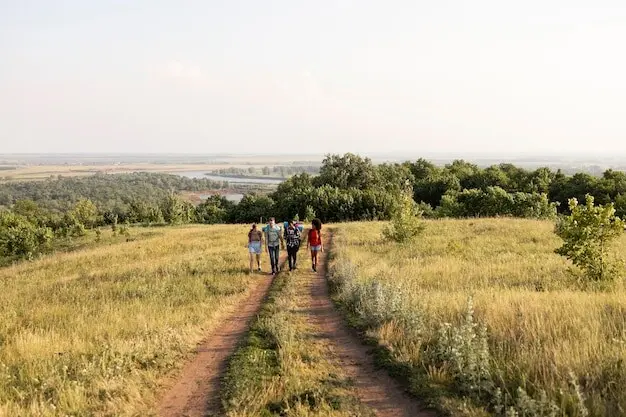
Guildford, Haslemere, and Woking stations open gateways toward Blackheath, the Punch Bowl rim, and Ockham’s commons, with local buses or rides filling the last mile. From Milford you can reach Thursley with a purposeful stroll, rewarding patience with dragonflies by day and reflective ponds by evening. Always confirm last departures, download maps, and keep a small light for quiet lanes. Arriving without a car often heightens attention, turning the return into a gentle decompression.

Trailheads, Car Parks, and Small Courtesies
Staple Hill serves Chobham’s openness, Moat Pond anchors Thursley’s boardwalks, and the National Trust car park crowns the Punch Bowl. Hours and fees vary, so check ahead and avoid verge parking that crushes vegetation. Lock valuables out of sight, greet rangers warmly, and read temporary notices about fires or conservation work. Little acts keep these places welcoming, making your own dusk wander a contribution rather than simply a withdrawal from a beautiful account.
Viroveltodavokento
Privacy Overview

This website uses cookies so that we can provide you with the best user experience possible. Cookie information is stored in your browser and performs functions such as recognising you when you return to our website and helping our team to understand which sections of the website you find most interesting and useful.