Walk Kindly Across Surrey’s Heathlands
Today we explore protecting Surrey’s heathlands with practical trail etiquette and conservation tips for walkers, so every step safeguards rare wildlife and centuries-old landscapes. From heather-scented paths to skylines patrolled by nightjars, learn how small choices prevent erosion, reduce wildfire risk, respect ground-nesting birds, and keep these open, beautiful spaces thriving for everyone. Share your thoughts, ask questions, and help shape a kinder walking culture across Surrey.
Why These Heaths Matter
Surrey’s heathlands are among Britain’s rarest habitats, shaped by low-nutrient soils, grazing, and careful stewardship. They shelter Dartford warblers, nightjars, and sand lizards, all exquisitely sensitive to disturbance. Understanding how these places formed, and why they remain fragile yet resilient, empowers your next walk to become protective rather than intrusive. Read, reflect, and step with admiration for a living landscape that needs your calm, attentive presence.
Trail Etiquette That Protects
Stay on Paths, Save a Thousand Nests
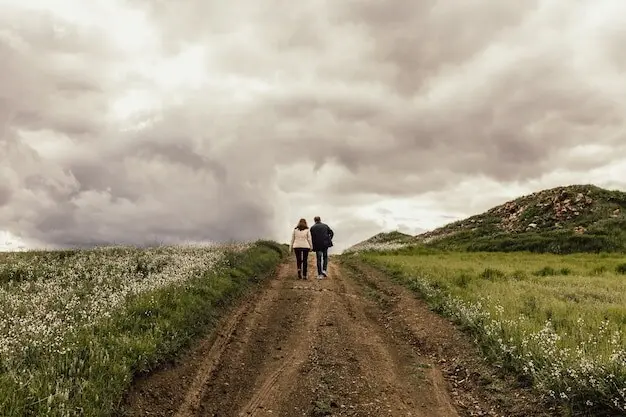
Ground-nesting birds like nightjars and woodlarks rely on camouflage, not confrontation. A few steps off track can flush incubating adults, cooling eggs and attracting predators. During nesting season, usually March through August, obey cordons and seasonal notices. When paths puddle, do not widen them; accept muddy boots as a badge of care. If a route feels unclear, consult waymarks or a digital map rather than inventing a shortcut. Small detours can have big, lasting consequences.
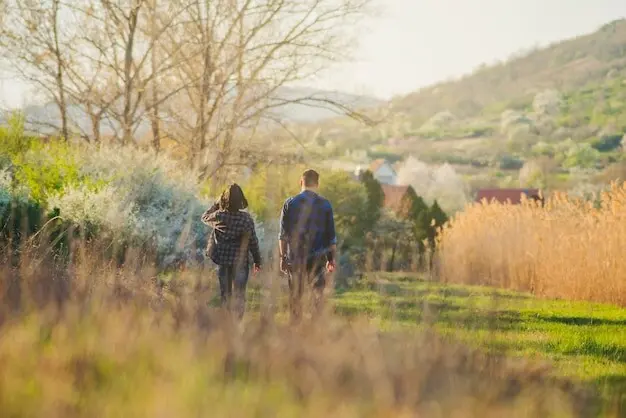
Dogs Under Close Control, Calm Wildlife Everywhere
Enthusiastic dogs exploring heather can unknowingly disturb nests or chase reptiles. Keep them on a short lead near sensitive areas, especially in bird breeding months. Bring treats and toys to redirect energy back to the path. Bag and bin waste—never leave it, even in tied-off bags. Consider joining local initiatives like Heathland Hounds, which share seasonal guidance and friendly reminders. Responsible dog walking preserves access for everyone by proving care and consideration are the norm.

Share With Riders and Cyclists Smoothly
Horses are prey animals; sudden movements, umbrellas, or flapping jackets can spook them. Step aside calmly, speak to the rider, and avoid sudden gestures. Cyclists should slow, ring a bell well in advance, and pass wide at walking pace when needed. Walkers can help by keeping to one side on narrow sections, allowing clear, predictable flow. When everyone communicates, disturbance drops, safety rises, and wildlife benefits from quieter, more orderly trails throughout the day.
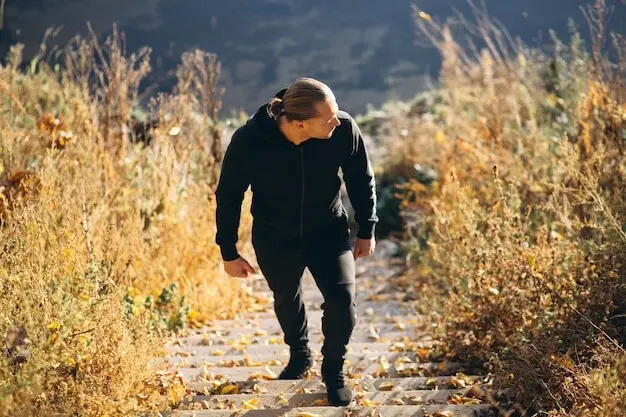
Preventing Wildfire, Step by Careful Step
Heathlands burn fiercely when dry; a single spark can race through heather and gorse, shattering habitats in minutes. Never light barbecues or campfires, and be meticulous with cigarettes. Learn local fire risk ratings and adjust plans accordingly. If you witness smoke, act swiftly and safely. Recovery takes years, so prevention matters most. By planning ahead, you become part of an informal fire watch, protecting communities, wildlife, and the wild character that draws us here.

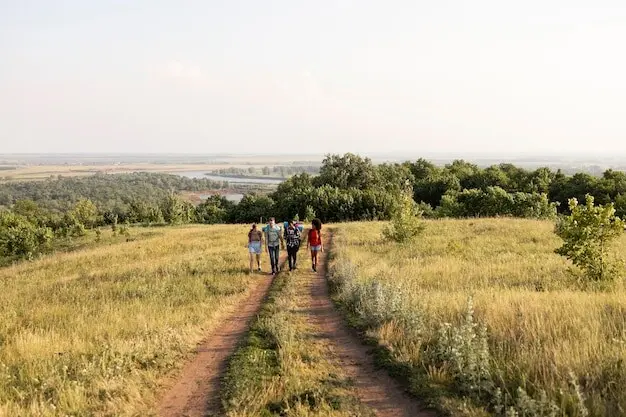
Leave No Trace for Heathlands
Carrying everything out that you carried in keeps paths clean, wildlife safe, and watercourses healthy. Litter, even tiny scraps, invites more litter and harms animals that investigate with curiosity. Cleaning boots reduces the spread of invasive seeds between sites. Respecting seasonal quiet zones allows breeding and feeding to proceed undisturbed. With a handful of simple habits, your walk becomes a quiet collaboration with land managers, volunteers, and the delicate web of life underfoot.
Volunteer Days With Real Impact
Groups like Surrey Wildlife Trust and local heath partnerships run practical sessions: pulling young pine, repairing boardwalks, restoring viewpoints, and clearing litter after storms. The work is sociable, purposeful, and immediately rewarding. Tools, gloves, and guidance are provided; you bring enthusiasm and weather-appropriate layers. Sign up, set a reminder, and tell us how it went. Your reflections can encourage others who are curious yet hesitant, turning interest into action and action into healthier, wilder heaths.
Citizen Science on Your Stroll
Transform curiosity into data by logging sightings on platforms like iNaturalist, BirdTrack, or the UK Butterfly Monitoring Scheme. Photos, dates, and locations help build a living map of change. Learn identification gradually—mistakes are part of the journey. Join seasonal challenges and compare notes with neighbors. By contributing, you amplify your walk beyond the moment, informing management decisions that protect breeding territories, track invasive species, and prioritize restoration where it helps the most sensitive communities first.
Learning With Children Outdoors
A treasure hunt for heather bells, a quiet minute listening for distant warblers, or sketches of gorse seedpods popping can spark lifelong guardianship. Keep activities gentle and path-based, avoiding nesting zones. Pack a magnifier, share stories of patient explorers, and celebrate calm discoveries over quick trophies. Invite children to write questions in a shared notebook and post them to our comments. Their wonder, protected by your guidance, becomes tomorrow’s conservation confidence and community leadership.
Map Smarter, Tread Lighter
Use OS maps or trusted apps to keep to designated routes that avoid erosion-prone slopes and nesting clearings. Save offline versions in case signal drops. Identify boardwalks, gates, and alternative exits before you start. When rain swells puddles, choose routes with firm footing. If signage confuses, pause rather than improvising. Pre-knowledge shrinks footprints, lowers stress, and makes surprises delightful rather than disruptive, preserving both your energy and the intricate textures of the heathland itself.
Weather Wisdom for Heath
Hot, dry winds desiccate vegetation and heighten fire risk; cool, wet spells soften soils and magnify erosion. Adjust routes, timings, and group size accordingly. Wear layers that won’t flap near horses, and pack a quiet waterproof instead of a rattling poncho. In summer, aim for early starts to avoid overheated dogs. In winter, choose sturdier paths over fragile edges. Respecting the weather’s mood is not caution alone; it is companionship with a living landscape.