Spacing, Signals, and No-Surprises Turns
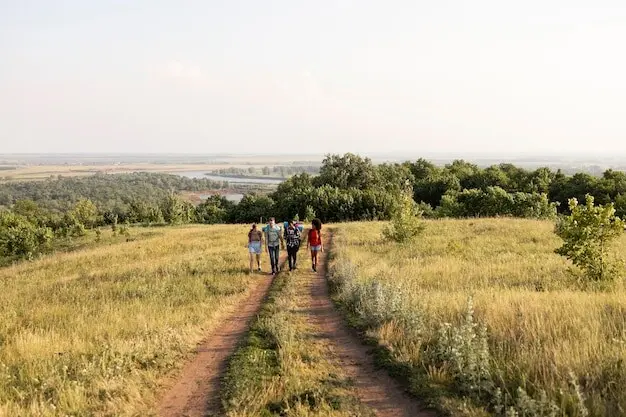
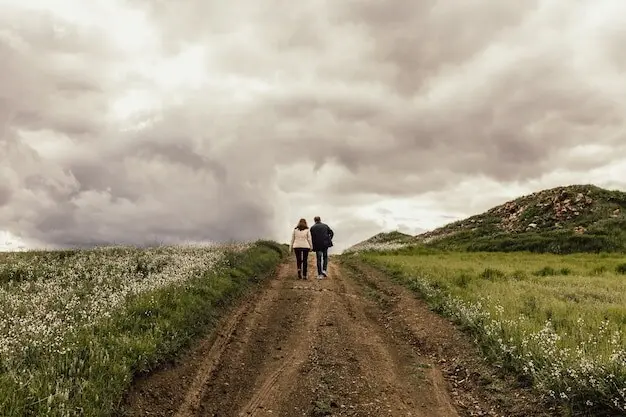
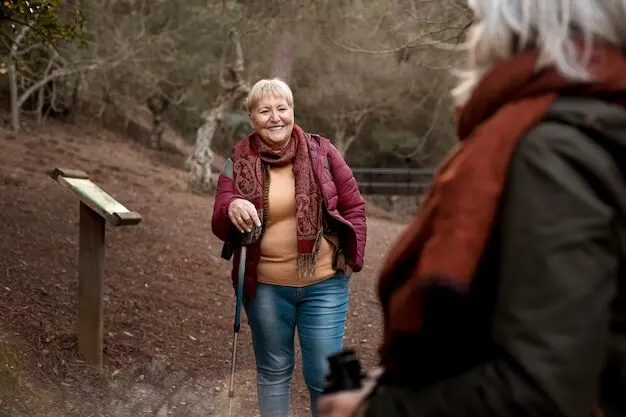
Keep a conversational gap that preserves torch beams without blinding. Agree on simple hand signals, a whistle pattern, and a default stop at every unplanned junction. Leaders call turns before making them, trailers confirm aloud. These tiny courtesies tame the night’s optical tricks, turning each fork into a mutual decision rather than a scatter of bobbing lights guessing right alone.
Pace, Warmth, and Cheerful Breaks
Start slower than daylight habit suggests, letting eyes adjust and layers breathe. Choose short, purposeful pauses at landmarks for sips, glove checks, and map confirmations, resisting the cold creep of long storytelling stops. Celebrate micro-wins: a clean bearing, a well-timed shortcut, a star peeking through. Morale isn’t fluff; it is fuel that steadies steps as distances stretch subtly.
If Separated: STOP, Breathe, and Rebuild
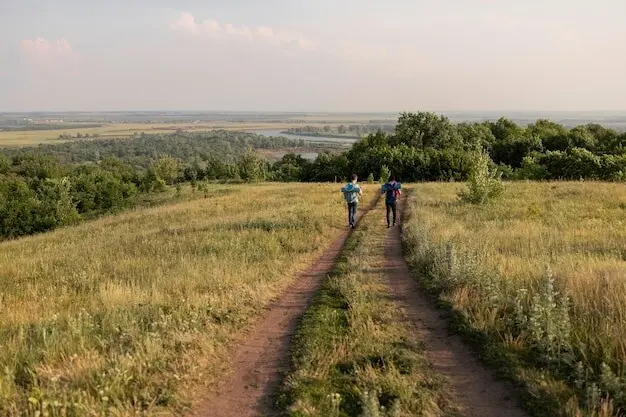
Hold still, think through the last confirmed feature, and mark your spot mentally. Use the STOP approach: Stop, Think, Observe, Plan. Blow whistle bursts, listen, and note wind, slope, and underfoot feel. Check the map calmly, set a conservative bearing to the nearest unmistakable feature, and move only when certainty improves. Pride heals faster than preventable misadventure.